Zion Williamson Weight Loss: The Complete Diet and Training Breakdown
Zion williamson weight loss has been one of the most talked-about storylines in modern basketball. We break down the clinical biomechanics and nutritional protocols behind his radical physique transformation.

Last updated: December 22, 2025
Zion Williamson decreased his body mass to improve joint durability. At his peak weight, Williamson reached approximately 330 pounds. His height is 6 feet 6 inches. High body mass generates excessive joint landing forces.
Losing body mass reduces the load on lower extremities. Williamson implemented a structured physical conditioning program. He adopted a high-protein diet. This combination reduced body fat percentage while preserving explosive power.
Physical Attributes and Biomechanical Metrics of Zion Williamson
Below is the physiological profile and joint loading metrics of Zion Williamson.
| Physiological Attribute | Baseline Value (Draft/Peak) | Post-Transformation Target | Biomechanical Impact |
|---|---|---|---|
| Height | 6' 6" (198 cm) | 6' 6" (198 cm) | Constant height parameter |
| Body Mass | 285–330 lbs (130–150 kg) | Under 285 lbs (130 kg) | Reduces joint force during landing |
| Estimated Body Fat | 18–20% | 10–12% | Eliminates non-functional dead weight |
| Landing Force Impact | 5x Body Weight (approx. 1,500 lbs) | 5x Body Weight (approx. 1,300 lbs) | Reduces knee and foot metatarsal torque |
| Daily Protein Intake | ~150 g | 250+ g | Preserves skeletal muscle during deficit |
| Contract Clause Limit | Combined Weight + Body Fat % | Must remain under 295 total | Financial incentive for conditioning |
The Biomechanical Demands of Basketball Landing Forces
Basketball involves vertical jumps that stress lower-limb joints.
When an athlete jumps, muscles contract to generate upward force. Upon landing, the body absorbs eccentric kinetic forces. These forces can reach 5 times the athlete's body weight.
For a 285-pound athlete, the landing force is 1,425 pounds. A 330-pound athlete generates 1,650 pounds of force. This force stresses the articular cartilage, patellar tendons, and metatarsals.
Non-functional adipose tissue does not generate kinetic power. It acts as dead weight. Reducing body fat lowers landing forces. This reduction prevents meniscus tears and bone stress fractures.
Recomposition Training and Landing Neuromuscular Retraining
Williamson utilized specific exercise methodologies to alter body composition.
- Metabolic Conditioning (MetCon): High-intensity workouts spike heart rates into the anaerobic zone. This stimulates excess post-exercise oxygen consumption (EPOC). EPOC elevates the resting metabolism after exercise.
- Neuromuscular Retraining: Coaches corrected landing mechanics. Williamson learned to flex his hips and knees upon impact. This flexion distributes kinetic shock to the glutes and hamstrings.
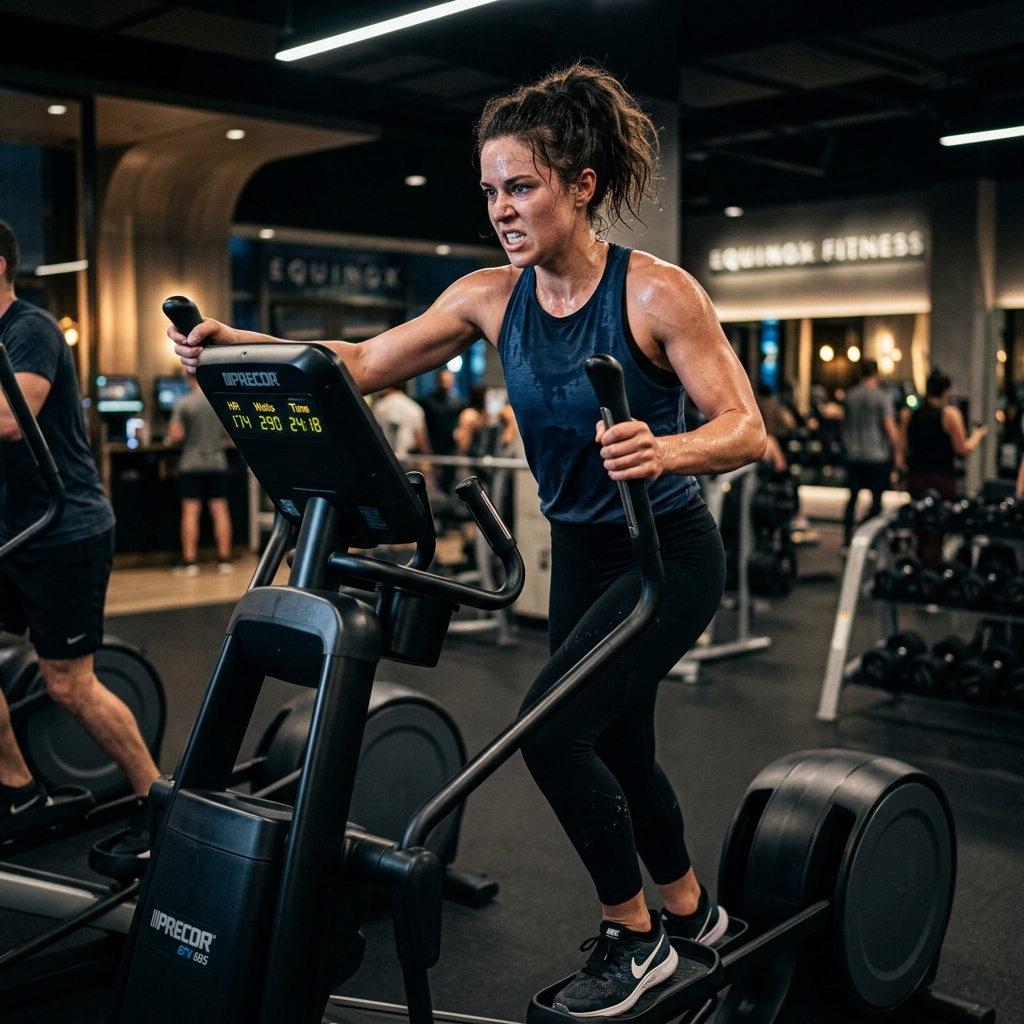
- Low-Impact Cardio: High-impact running was restricted. Coaches used low-impact machines to protect joint surfaces. This matches the joint preservation rules in our elliptical fat loss guide.
Nutritional Protocol for Muscle Preservation
A caloric deficit is necessary for fat loss. However, a deficit can cause muscle catabolism.
To prevent muscle loss, Williamson consumed 250+ grams of protein daily. Protein supports nitrogen balance. This allows the body to maintain muscle tissue while burning stored lipids.
The diet restricted refined carbohydrates and processed foods. It emphasized lean meats and fibrous vegetables. These foods support satiety. For protein bio-availability details, read our 8 oz steak protein guide. Pair nutrition with meals in our best post-workout meals guide.
Frequently Asked Questions
How much weight did Zion Williamson lose?
Williamson lost significant body fat. Public records suggest he dropped from a peak of nearly 330 pounds to a playing weight of approximately 270 to 280 pounds.
What is the weight clause in Zion's contract?
His contract requires his combined weight in pounds and body fat percentage to remain below 295. If he exceeds this number, the Pelicans can reduce his guaranteed compensation.
Why did Zion Williamson suffer so many injuries?
His explosive leaping ability combined with high body mass generated excessive joint forces. The landing impact exceeded the tensile capacity of his patellar tendons and foot bones.
Will losing weight make an athlete jump higher?
Yes. Losing body fat increases relative strength. Relative strength is power-to-weight ratio. Less dead weight allows muscle tissue to propel the body higher.
Can heavy people use the elliptical for fat loss?
Yes. The elliptical offers joint protection. It allows heavy individuals to burn calories without subjecting knee joints to high impact forces.
About David William
Certified Fitness Coach & Nutrition Expert at IAVI Fitness
Certified personal trainer and nutrition specialist with expertise in evidence-based fitness, weight loss, and performance nutrition. Passionate about helping individuals achieve sustainable health and fitness goals through science-backed, practical approaches that fit real life.
Related Articles


Share this article: