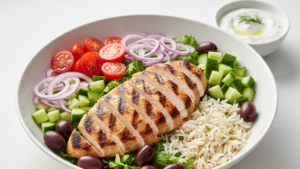
Is gyro meat fattening is one of the most searched questions among Americans who love Mediterranean food but still want visible results from their diet and training. We address this directly with data, practical examples, and clear recommendations you can apply today. This guide reflects our standards at IAVI Fitness, where evidence-based nutrition meets real-world eating habits.
What Gyro Meat Is Made Of and Why It Matters
Traditional gyro meat is a seasoned blend of lamb, beef, or chicken cooked on a vertical rotisserie. The nutrition profile depends heavily on the protein source and preparation method.
- Lamb or beef gyro. Higher total fat and saturated fat.
- Chicken gyro. Leaner, higher protein per calorie.
- Processed blends. May include added fat and sodium for texture.
According to data summarized by United States Department of Agriculture, a typical 3.5 oz serving of lamb gyro meat provides roughly 210 to 250 calories, 12 to 18 grams of fat, and 15 to 18 grams of protein. Chicken gyro of the same size is often 150 to 180 calories with 6 to 8 grams of fat and similar protein.
Is Gyro Meat Fattening From a Calorie Perspective
Calories determine fat gain over time. Gyro meat itself is not inherently fattening. Overconsumption is.
Per serving comparison
| Protein | Calories | Fat | Protein |
|---|---|---|---|
| Lamb gyro | 210–250 | 12–18 g | 15–18 g |
| Beef gyro | 220–260 | 14–20 g | 16–18 g |
| Chicken gyro | 150–180 | 6–8 g | 18–22 g |
When gyro meat is wrapped in refined pita bread, drenched in sauces, and paired with fries, the meal can exceed 800 to 1,000 calories. That context matters more than the meat alone.
Fat Quality. Saturated vs Unsaturated Fat in Gyros
Saturated fat intake is linked with cardiovascular risk when consumed in excess. Lamb and beef gyros contain more saturated fat than chicken.
- The American Heart Association recommends limiting saturated fat to under 10 percent of daily calories.
- Occasional lamb or beef gyro fits within a balanced diet when total daily fat is controlled.
Gyro seasoning often includes olive oil-based marinades, which contribute monounsaturated fats linked to better lipid profiles. That improves the overall fat quality compared to many fast-food meats.
Protein Density and Muscle Retention
From a body composition standpoint, gyro meat offers solid protein density.
- Protein supports muscle maintenance during calorie deficits.
- Higher protein meals improve satiety and reduce overeating later in the day.
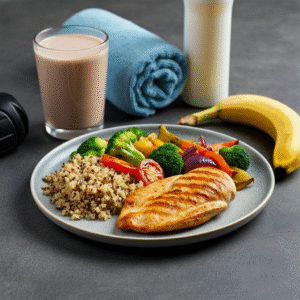
This aligns well with structured training programs like resistance workouts and accessory exercises. For example, pairing a chicken gyro bowl with strength sessions complements routines such as our internal guide on cable curls. See https://iavifitness.com/exercise/cable-hammer-curl-guide/.
Sodium and Water Weight Considerations
Gyro meat is moderately high in sodium due to curing and seasoning.
- High sodium does not equal fat gain.
- Temporary water retention may increase scale weight for 24 to 48 hours.
Hydration and potassium-rich foods help normalize fluid balance. For smart drink choices, refer to https://iavifitness.com/nutrition/low-calorie-beverage-options/.
Is Gyro Meat Fattening for Weight Loss Diets
The answer depends on portion size, protein choice, and meal structure.
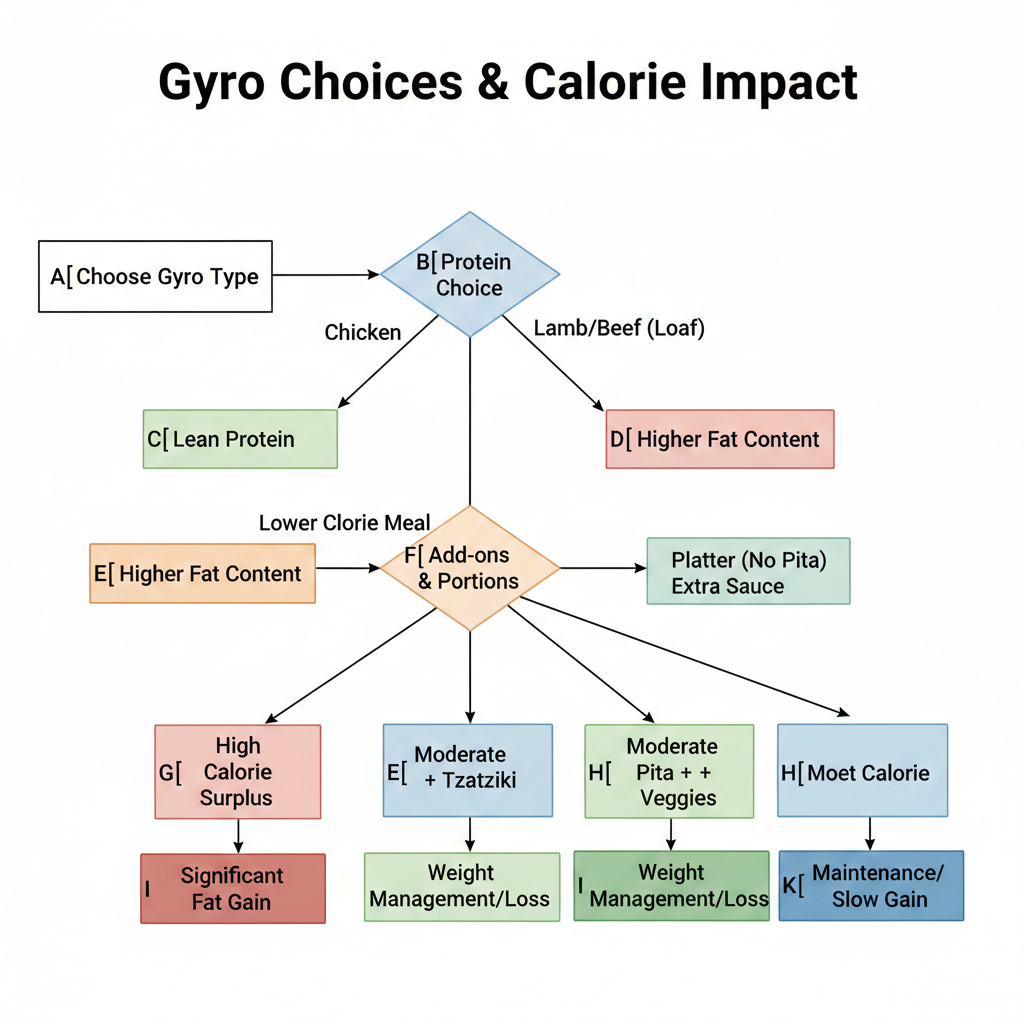
When Gyro Meat Supports Fat Loss
- Chicken gyro or lean beef portions.
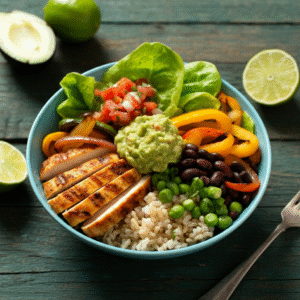
- Served as a bowl with vegetables instead of pita.
- Tzatziki used lightly rather than mayonnaise-based sauces.
- Total meal calories under your daily target.
When Gyro Meat Slows Fat Loss
- Double meat portions.
- Large pita, fries, and sugary drinks.
- Late-night eating combined with low activity.
Cardio routines such as elliptical training can offset higher-calorie meals when used strategically. See https://iavifitness.com/weight-loss/elliptical-fat-loss-guide/.
Gyro Meat vs Other Popular Proteins
Compared with burgers, fried chicken, or processed deli meats, gyro meat often ranks better nutritionally.
- Fewer preservatives than deli meats.
- Higher protein density than most fast-food burgers.
- More micronutrients like iron and zinc from lamb and beef.
The Wikipedia entry on gyro meat confirms its Mediterranean origin and traditional preparation methods, which are generally less processed than typical Western fast food.
How to Eat Gyros the Smart Way. IAVI Fitness Method
We apply a simple framework.
- Protein first. Choose chicken or mixed lean cuts.
- Fiber next. Load vegetables generously.
- Carbs controlled. Half pita or bowl style.
- Sauce awareness. Tzatziki in moderation.
For recovery and nutrient timing, combine gyros with balanced meals as outlined in https://iavifitness.com/nutrition/best-post-workout-meals-guide/.
How Gyro Choices Affect Fat Gain
Frequently Asked Questions
Is gyro meat fattening if eaten once a week
No. Weekly consumption within calorie limits does not cause fat gain.
Is chicken gyro healthier than lamb gyro
Yes. Chicken is leaner with lower saturated fat and calories.
Does gyro meat cause belly fat
No food targets belly fat. Overall calorie surplus causes fat storage.
Can gyro meat fit into a low-carb diet
Yes. Choose bowl style without pita and limit sauces.
Is gyro meat good for muscle building
Yes. It provides high-quality protein suitable for hypertrophy diets.
Final Verdict. Is Gyro Meat Fattening
Gyro meat is not inherently fattening. Portion size, protein selection, and meal context decide the outcome. When chosen wisely, gyros can support fat loss, muscle retention, and dietary adherence. This balanced, evidence-driven approach defines how IAVI Fitness helps readers eat better without giving up foods they enjoy.
Build smarter meals, train with purpose, and follow our science-backed nutrition strategies at IAVI Fitness. Start applying these principles today and turn everyday foods into tools for better body composition.