Is Gyro Meat Fattening? A Science-Backed Nutrition Guide
Is gyro meat fattening is one of the most searched questions among Americans who love Mediterranean food but still want visible results from their diet. We break down the clinical science behind this popular street food.
Last updated: December 20, 2025
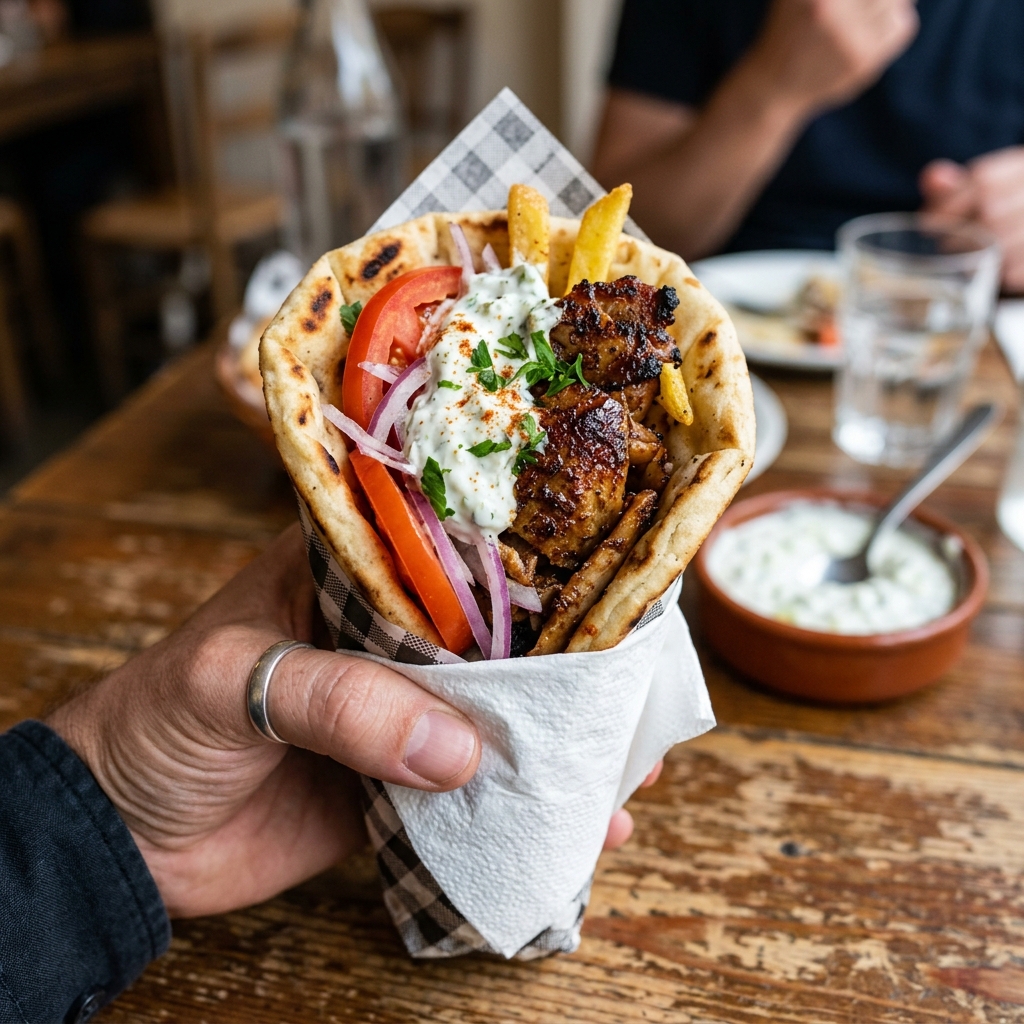
Gyro meat is not inherently fattening. Weight gain is dictated by a chronic caloric surplus. A standard 100-gram serving of traditional lamb and beef gyro meat contains 220 calories. It contains 15 grams of protein. It contains 16 grams of total fat.
Gyro meat only causes weight gain when consumed in a caloric surplus. Standard gyro wraps contain refined pita bread and high-fat sauces. These additions double the caloric value. Dieters can consume gyro meat safely by managing portion sizes and selecting lean protein variants.
Nutritional Comparison of Gyro Meat Varieties (per 100g serving)
Below is the macronutrient and sodium composition of different types of gyro meats.
| Gyro Meat Type (100g Cooked) | Calories (kcal) | Protein (g) | Total Fat (g) | Saturated Fat (g) | Sodium (mg) |
|---|---|---|---|---|---|
| Traditional Lamb & Beef | 220 | 15.0 | 16.0 | 6.5 | 890 |
| Pork Gyro | 230 | 17.5 | 17.0 | 5.8 | 750 |
| Chicken Gyro | 165 | 21.0 | 8.0 | 2.2 | 680 |
| Turkey Gyro | 150 | 22.0 | 6.0 | 1.8 | 720 |
Ingredients and Curing Attributes of Gyro Meat
Gyro meat is a compressed blend of ground meat. Manufacturers mix the meat with sodium chloride and spices. They shape the mixture into a dense cone. The cone rotates on a vertical spit under radiant heat.
The primary meat sources are lamb, beef, pork, or chicken. Red meat variations contain high concentrations of saturated fatty acids. Saturated fatty acids are stable at high cooking temperatures. They provide a dense texture. However, they raise low-density lipoprotein (LDL) cholesterol in blood plasma.
Commercial gyro meat contains high levels of sodium. Sodium chloride serves as a preservative. It also binds water to the protein matrix. High sodium intake causes temporary fluid retention in extracellular spaces. This retention increases body weight on scales. It does not increase adipose tissue.
How Gyro Meat Fits into Specific Diets
Gyro meat is highly versatile. It aligns with various nutritional methodologies.
- Ketogenic and Low-Carb Diets: Gyro meat contains less than 2 grams of carbohydrates per serving. The moderate fat content supports ketone production.
- High-Protein Diets: The complete amino acid profile of chicken gyro meat supports muscle hypertrophy. You can pair it with training as shown in our cable hammer curl guide.
- Low-Fat Diets: Traditional lamb gyro is unsuitable for low-fat restrictions. Dieters should choose skinless chicken breast or chicken gyro instead. For more low-fat protein data, read our grilled chicken breast fat guide.
To maintain a caloric deficit, dieters should avoid high-calorie pairings. Opt for a salad bowl rather than a pita wrap. Pair the meal with options from our low-calorie beverage guide.
Frequently Asked Questions
Is gyro meat healthy for weight loss?
Yes. Gyro meat is rich in protein. Protein increases satiety and preserves muscle mass. You must choose chicken gyro or limit portion sizes of lamb gyro to control calorie intake.
Why is gyro meat so high in sodium?
Manufacturers add sodium chloride to cure the meat. Sodium binds the ground meat together. It prevents the cone from crumbling on the vertical rotisserie.
Is tzatziki sauce fattening?
Traditional tzatziki sauce uses strained Greek yogurt, garlic, and cucumbers. It is low in calories. A two-tablespoon serving contains 30 to 50 calories. It is a suitable dressing for weight loss.
Can I eat gyro meat on a keto diet?
Yes. Plain gyro meat is zero-carb. You must omit the pita bread, rice, and sugary dressings. Eat it with leafy greens and tzatziki sauce.
How do I reduce water retention after eating gyro meat?
Drink large quantities of water to flush excess sodium. Consume potassium-rich foods like avocados or spinach. Potassium counteracts sodium-induced fluid retention.
About David William
Certified Fitness Coach & Nutrition Expert at IAVI Fitness
Certified personal trainer and nutrition specialist with expertise in evidence-based fitness, weight loss, and performance nutrition. Passionate about helping individuals achieve sustainable health and fitness goals through science-backed, practical approaches that fit real life.
Related Articles

Share this article: