Pho Soup Nutrition: Complete Health, Weight Loss, and Performance Guide
Pho soup nutrition has become a major topic among fitness enthusiasts looking for meals that are comforting, nutrient-dense, and supportive of both rapid weight loss and clinical muscle recovery. We break down the absolute science of this powerful broth.
Last updated: December 26, 2025
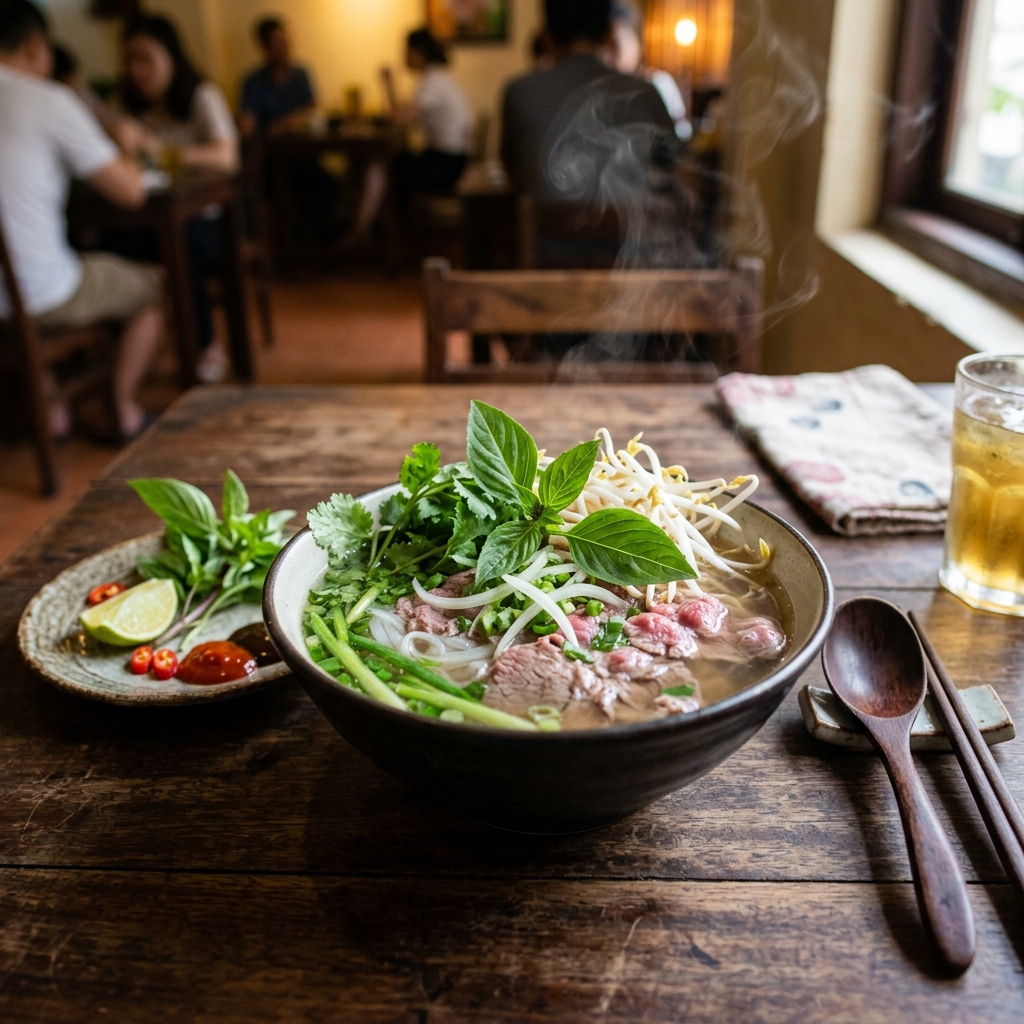
Pho soup is a nutrient-dense, balanced Vietnamese meal. A standard restaurant serving contains 350 to 500 calories. It provides 20 to 30 grams of protein. It contains 40 to 55 grams of carbohydrates. It contains 5 to 12 grams of fat.
The dish consists of slow-simmered bone broth, rice noodles, lean protein, and herbs. The protein density supports muscle recovery. The bone broth contains bioavailable collagen and essential minerals. Dieters can modify the carbohydrate load to match weight loss goals.
Nutritional Comparison: Beef Pho vs. Tonkotsu Ramen (per 1-bowl serving)
Below is the nutritional comparison between a standard serving of Pho and Japanese Ramen.
| Nutritional Attribute | Beef Pho (1 Medium Bowl) | Tonkotsu Ramen (1 Medium Bowl) |
|---|---|---|
| Calories | 410 kcal | 950 kcal |
| Protein | 25.0 g | 34.0 g |
| Total Fat | 8.0 g | 48.0 g |
| Saturated Fat | 2.5 g | 18.0 g |
| Total Carbohydrates | 45.0 g | 85.0 g |
| Sodium | 1,300 mg | 2,100 mg |
| Noodle Type | Steamed Rice Noodles (Gluten-Free) | Fried Wheat Noodles (Contains Gluten) |
Bioactive Attributes of Pho Bone Broth
The liquid base of authentic pho consists of bone broth. Chefs simmer animal bones for 12 to 24 hours to create the base.
- Collagen and Gelatin: Long heating breaks down bone collagen into gelatin. Gelatin contains glycine and proline. These amino acids support joint tissue regeneration.
- Glutamine: Glutamine fuels the cells of the gut mucosa. It improves intestinal barrier integrity.
- Heme Iron: Beef broth contains bioavailable heme iron. The body absorbs heme iron faster than plant-based non-heme iron. Iron is required for hemoglobin production and muscle oxygenation.
- Electrolyte Replacement: Simmering extracts calcium, magnesium, and potassium. These minerals restore cellular electrolyte balance after dehydration.
For athletes who lift weights, these attributes promote joint comfort. They support recovery after workouts like those in our cable hammer curl guide.
Carbohydrate Quality and Glycemic Impact
Traditional pho uses rice noodles as the carbohydrate source.
Rice noodles are a source of fast-digesting carbohydrates. They cause a rapid increase in blood glucose levels when consumed alone. This triggers an insulin response from the pancreas.
Dieters can manage this glycemic response. Request half noodles and double lean beef or chicken. The extra protein slows down gastric digestion. This prevents rapid insulin spikes. This strategy supports fat preservation on a diet, matching principles from our best post-workout meals guide.
Managing Sodium and Fluid Balance
Restaurant-prepared pho contains high amounts of sodium.
A single serving can contain 1,300 milligrams of sodium. High sodium intake causes temporary extracellular water retention. This retention causes abdominal bloating. It artificially elevates scale weight.
To flush excess sodium, drink water consistently. Select low-sodium drinks listed in our low-calorie beverage guide.
Frequently Asked Questions
Is pho good for weight loss?
Yes. Plain pho is low in fat and calories. It provides high volume. This stretches the stomach lining to signal fullness. Dieters should limit noodle portions to optimize fat loss.
How much protein is in chicken pho?
A standard medium bowl of chicken pho contains approximately 25 to 30 grams of protein. You can increase the protein content by requesting double chicken breast.
Is pho soup gluten-free?
Yes. Classic pho uses rice noodles. Rice does not contain gluten. You must verify that the kitchen does not use wheat-based soy sauce or wheat starch.
Is pho broth healthy for joints?
Yes. Authentic broth contains dissolved collagen and gelatin. These proteins provide amino acids used to build tendons and ligaments.
Why does pho make me look bloated?
The broth contains high concentrations of sodium. Sodium causes cells to retain fluid. This is temporary water retention. It is not fat gain.
About David William
Certified Fitness Coach & Nutrition Expert at IAVI Fitness
Certified personal trainer and nutrition specialist with expertise in evidence-based fitness, weight loss, and performance nutrition. Passionate about helping individuals achieve sustainable health and fitness goals through science-backed, practical approaches that fit real life.
Related Articles
Share this article: