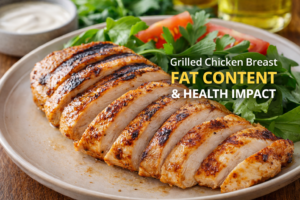
Grilled chicken breast fat content is one of the most searched nutrition topics for people trying to lose weight, lower cholesterol, or eat cleaner without giving up protein. Many fitness diets promote chicken breast as a lean powerhouse, yet confusion remains around fat, saturated fat, grilling safety, and heart health.
This in-depth guide breaks down the actual fat content of grilled chicken breast, compares it to other meats, explains how grilling affects fat and cholesterol, and answers every major People Also Ask question around chicken, fat loss, and cardiovascular health.
Everything here is science-backed, practical, and written for real people, not food labels.
Nutritional Breakdown of Grilled Chicken Breast
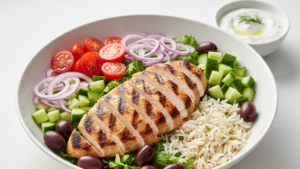
A skinless, grilled chicken breast is considered one of the leanest protein sources available.
Nutrition per 3.5 oz (100 g) grilled chicken breast, skinless
- Calories. ~165
- Protein. ~31 g
- Total fat. ~3.6 g
- Saturated fat. ~1 g
- Cholesterol. ~85 mg
- Carbohydrates. 0 g
The majority of calories come from protein, not fat. This is why grilled chicken breast is a staple in weight loss plans, athletic diets, and medical nutrition programs.
Is Grilled Chicken Breast High in Fat?
No. Grilled chicken breast is not high in fat.
Compared to most meats, its fat content is extremely low, especially when the skin is removed. Less than 20 percent of its calories come from fat, which classifies it as a lean protein.
For reference:
- Lean meats contain less than 10 g fat per 100 g
- Extra-lean meats contain less than 5 g fat per 100 g
Grilled chicken breast falls well within the extra-lean category.
Is Chicken Breast Full of Fat?
This is a common myth.
Chicken breast is one of the least fatty parts of the chicken, especially when compared to thighs, wings, and drumsticks. Most of the fat in chicken is stored in the skin and darker meat sections.
Removing the skin eliminates a large portion of fat and calories immediately.
Which Part of Chicken Is Lowest in Fat?
The skinless chicken breast is the lowest-fat part of the chicken.
Fat comparison by chicken cut
- Chicken breast, skinless. Lowest fat
- Chicken tenderloin. Very low fat
- Chicken thigh, skinless. Moderate fat
- Chicken drumstick. Higher fat
- Chicken wings. Highest fat
If your goal is fat loss or cholesterol control, chicken breast clearly wins.
What Is the Most Fattening Part of a Chicken?
The most fattening parts are:
- Chicken wings with skin
- Chicken thighs with skin
- Fried chicken pieces
These cuts contain significantly more fat due to:
- Higher natural fat content
- Skin retention
- Cooking methods that add oil
What Is the Unhealthiest Part of a Chicken?
From a fat and calorie perspective, fried chicken skin is the least healthy option. It combines:
- Saturated fat
- Added oils
- High calorie density
Occasional consumption is fine, but regular intake can negatively impact heart health and weight management.
Is Chicken High in Saturated Fat?
Chicken breast is low in saturated fat.
Only about 1 gram of saturated fat is found in a typical grilled chicken breast. This is far lower than:
- Beef cuts
- Pork
- Lamb
- Processed meats
Lower saturated fat intake is linked to better cholesterol levels and cardiovascular health.
Does Grilling Chicken Reduce Fat Content?
Yes. Grilling reduces fat content naturally.
Here is why:
- Fat melts and drips away from the meat
- No additional oil is required
- High heat cooks quickly, limiting fat absorption
Compared to pan-frying or deep-frying, grilling preserves protein while minimizing fat.
Is Grilling Chicken Healthier Than Frying?
Absolutely.
Grilling vs frying chicken
- Grilling. Lower fat, fewer calories, no added oils
- Frying. Higher fat, more calories, oil absorption
Grilling is consistently recommended in heart-healthy and weight loss diets.
Is Eating Grilled Chicken Unhealthy?
No. Eating grilled chicken is generally very healthy.
However, health depends on:
- Cooking temperature
- Avoiding charring
- Not overusing sugary marinades
When grilled properly, chicken breast supports muscle growth, fat loss, and metabolic health.
Is Grilled Chicken Inflammatory?
Grilled chicken itself is not inflammatory.
Inflammation risk increases only if:
- Meat is heavily charred
- Cooked at extremely high temperatures repeatedly
- Paired with ultra-processed sauces
Using proper grilling techniques keeps grilled chicken anti-inflammatory and nutrient-dense.
What Are the Disadvantages of Grilling Chicken?
Grilling is healthy, but it has minor drawbacks if done incorrectly.
Potential issues include:
- Formation of compounds when meat is over-charred
- Dry texture if overcooked
- Nutrient loss at extreme heat
These are easily avoided with correct grilling methods.
What Is the Healthiest Grilling Method for Chicken?
The healthiest way to grill chicken includes:
- Marinating with herbs, lemon, or vinegar
- Cooking over medium heat
- Flipping frequently to prevent burning
- Avoiding open flames touching meat
- Removing visible char before eating
These methods significantly reduce harmful compounds while preserving flavor and nutrition.
Can I Eat Chicken on a Low-Fat Diet?
Yes. Chicken breast is ideal for a low-fat diet.
It provides:
- High protein
- Minimal fat
- No carbohydrates
This makes it compatible with calorie-controlled diets, medical diets, and athletic meal plans.
Is Chicken Breast a Low-Fat Meat?
Yes. Chicken breast is classified as a low-fat, high-protein meat by most nutrition authorities.
It pairs well with complex carbs and vegetables, such as those found in balanced post-workout meals like the options discussed in this guide on best post-workout meals
https://iavifitness.com/nutrition/best-post-workout-meals-guide/
What Is the Best Meat to Eat to Lose Belly Fat?
No single meat burns belly fat, but lean proteins help reduce overall body fat.
Top choices include:
- Skinless chicken breast
- Turkey breast
- Fish
- Egg whites
Protein increases satiety, preserves muscle, and supports fat loss when paired with exercise like cardio or elliptical training, as explained in this fat loss guide
https://iavifitness.com/weight-loss/elliptical-fat-loss-guide/
Is It Okay to Eat Grilled Chicken if You Have High Cholesterol?
Yes. Grilled chicken breast is safe for people with high cholesterol when eaten in moderation.
It contains:
- Low saturated fat
- Moderate cholesterol
- No trans fats
Removing the skin and avoiding frying is key.
How to Eat Chicken Without Increasing Cholesterol
Follow these guidelines:
- Choose skinless breast
- Grill, bake, or boil
- Avoid creamy sauces
- Pair with fiber-rich foods
- Watch portion sizes
Adding lean proteins alongside low-calorie beverages can further support heart health
https://iavifitness.com/nutrition/low-calorie-beverage-options/
What Kind of Fat Is Bad for Cholesterol?
The fats that negatively affect cholesterol include:
- Saturated fats in excess
- Trans fats from processed foods
Chicken breast contains minimal amounts of these fats compared to red and processed meats.
What Part of Chicken Has the Most Cholesterol?
The highest cholesterol content is found in:
- Chicken liver
- Chicken skin
- Dark meat with skin
Breast meat contains significantly less cholesterol by comparison.
What Is the Best Protein for Lowering Cholesterol?
Best protein choices include:
- Skinless chicken breast
- Fish rich in omega-3s
- Plant proteins like beans and lentils
Balanced meals with lean protein and fiber, similar to combinations discussed in this high-protein soup recipe
https://iavifitness.com/recipes/high-protein-creamy-miso-white-bean-soup/
can help improve cholesterol profiles.
Chicken Breast vs Other Meats. Fat Comparison
| Meat (100 g cooked) | Total Fat | Saturated Fat |
|---|---|---|
| Chicken breast | ~3.6 g | ~1 g |
| Turkey breast | ~1.5 g | ~0.4 g |
| Lean beef | ~10 g | ~4 g |
| Pork | ~14 g | ~5 g |
| Lamb | ~21 g | ~9 g |
Chicken breast remains one of the leanest options available.
Common Myths About Grilled Chicken Breast
Myth. Grilled chicken dries out nutrients
Fact. Proper grilling preserves protein and minerals.
Myth. Chicken breast raises cholesterol
Fact. Skinless breast is heart-friendly when prepared correctly.
Myth. All grilled meat is unhealthy
Fact. Temperature control and technique make the difference.
Expert-Backed Practical Tips
- Always remove skin before cooking
- Marinate to improve flavor and reduce harmful compounds
- Combine with vegetables and whole grains
- Avoid sugary or creamy sauces
- Rotate protein sources for nutritional balance
Authoritative Sources
- Chicken as food – Wikipedia
- USDA FoodData Central
- American Heart Association | To be a relentless force for a world of longer, healthier lives
Frequently Asked Questions
Is grilled chicken breast high in fat?
No. It is one of the lowest-fat animal protein sources available.
Is chicken breast full of fat?
No. Most fat is found in the skin and dark meat.
Does grilling chicken reduce fat?
Yes. Grilling allows fat to drip away naturally.
Is grilled chicken inflammatory?
No. Only over-charred meat may increase inflammation risk.
Can grilled chicken help with weight loss?
Yes. High protein and low fat support fat loss.
Is grilled chicken safe for high cholesterol?
Yes. Choose skinless breast and healthy cooking methods.